
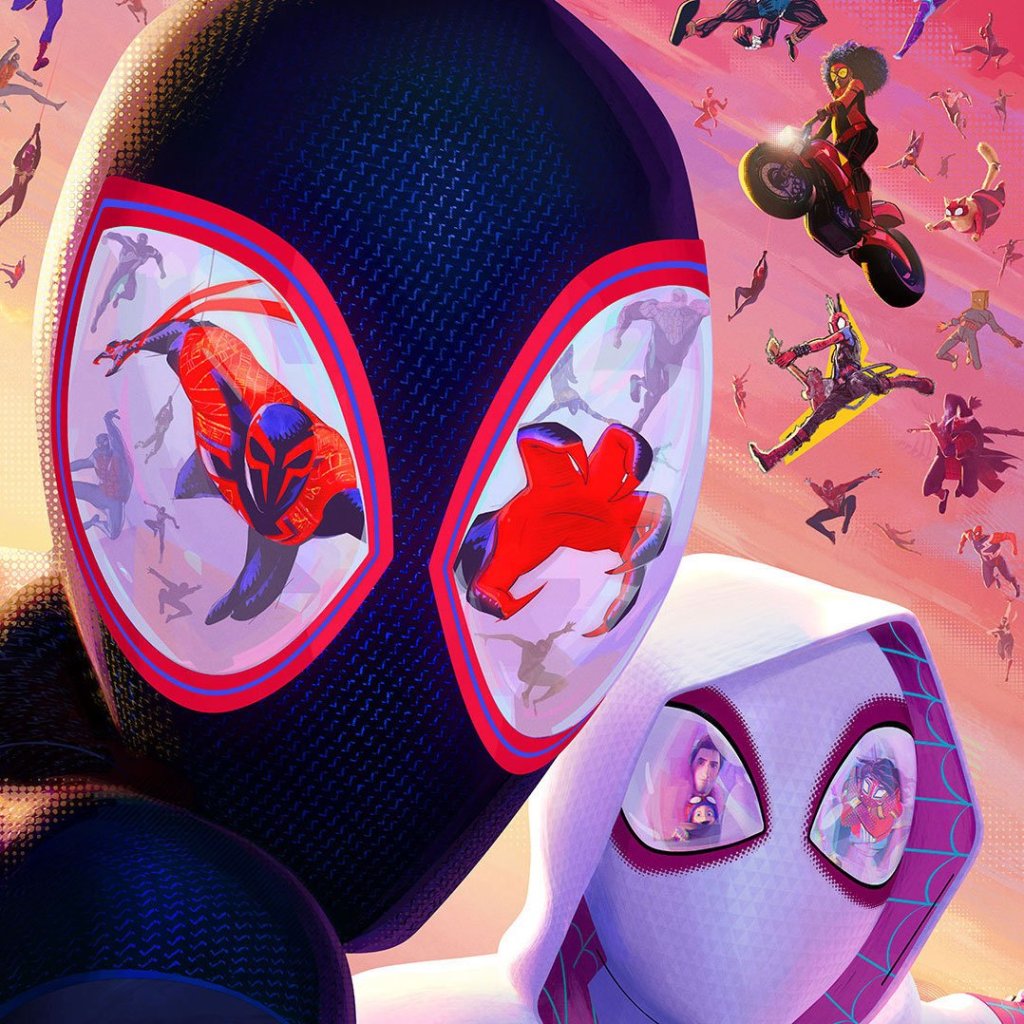

Across the Spider-Verse is my favourite movie of 2023. I loved the portrayal of Miles Morales. This film franchise has elevated the character in a way never seen before. Then why do so many people misinterpret the message of this movie?
Miguel O’Hara, aka Spider-Man 2099 and the leader of the Spider Society, serves as the movie’s main antagonist. He directly opposes Miles Morales’s ideology. He also opposes what it truly means to be Spider-Man. But, this movie isn’t asking the audience to pick sides or state that both are right in their own way.
No.
Why Do People Believe That Miguel Is Right?
While I don’t agree with Miguel’s flawed logic, it does appeal to people who view Spider-Man’s story as fundamentally tragic. Throughout Across the Spider-Verse, Miguel acts as the voice of “canon.” He claims that certain events like the death of a police captain close to Spider-Man are unavoidable. These events are essential for the balance of the multiverse. This is shown by the various forms of media Spider-Man has been in: movies, TV shows, and games. A pattern that many fans never realized when consuming Spider-Man content.

Miguel’s argument comes from a place of trauma. Miguel tried to live a life outside his “canon” by replacing another variant of himself. This variant, Miguel O’Hara, had died and had a daughter. Doing this led to the universe being destroyed.
Many viewers sympathize with Miguel’s perspective because it’s about protecting the multiverse. He believes that disputing canon leads to chaos and desolation, and his own loss drives his authoritarian attribute. His approach embodies a worldview where sacrifice and loss are needed for stability and balance. This view aligns with the tragedy that defines Spider-Man as a character. Many writers of Spider-Man, particularly in the comic books, share this perspective.

In every Spider-Man story, Peter Parker or any version of Spider-Man can’t save everyone. Whether it’s Uncle Ben or Gwen Stacy or other loved ones, Spider-Man’s story starts with loss. In media, a superhero story starts with a personal loss. Before the hero discovers who they are supposed to be, they figure out what they want to represent. For example, Batman becomes this once Bruce Wayne ‘dies’ from the murder of parents at 8 years old.
So when Miguel opposes Miles’ refusal to let his father die as it threatens the balance of the multiverse, it mirrors the tragedy that audiences expect from Spider-Man’s narrative. The belief is that Spider-Man’s story must follow a tragic arc. Trying to prevent these moments of pain and loss disrupts his identity. These moments are what make him a hero. This logic appeals to fans who see tragedy as integral, where with great responsibility comes sacrifices.
Yet like Miguel they ignore that fact that:
- Miles said he would do both – save his dad and his world from The Spot
- Treating Miles like the true threat ignores the true antagonist of the movie
- What truly makes Spider-Man isn’t about tragic losses or living a miserable life
- Miles has already lost his uncle Aaron in the first movie and has already become Spider-Man
Miguel Is Wrong
If you understand the true meaning of what has made Spider-Man iconic, then you would know this. Miles Morales wanting to save his dad and defeat The Spot is the right choice, despite him being an “anomaly.”
Miguel’s Flawed Philosophy and the Problem with Canon Events
Throughout Across the Spider-Verse, Miguel O’Hara insists that Spider-People must keep to the canon events the inevitable losses and tragedies that define them. For him, these events are unchangeable laws of the multiverse to keep balance. Miguel states that Miles must let his father die so that earth 1610 doesn’t collapse. But there’s a fundamental flaw in this logic. Miguel’s understanding of “canon” is based on his own guilt. It also stems from his narrow experiences, not factual truth.
Miguel uses the story of his daughter from an alternate dimension, where he replaced a version of himself, trying to live another life. When that universe collapsed, he came to believe that disrupting canon causes the destruction of worlds. However, his situation was entirely different from Miles. Miguel wasn’t supposed to be in that universe he broke the canon, while Miles is part of Earth 1610. Miles didn’t replace another version of himself who had passed. So to use his personal tragedy as evidence to justify the rigid enforcement of canon events is misguided. P.S. If anyone has watched Multiverse of Madness I believe that what happened to Miguel is incursion where prolonged multiverse travel can cause one universe to be entirely destroyed.
This is key -> Miguel is wrong not in his interpretation, but in how he applies his experience.
“What’s important is not standing by while allowing someone to suffer or die because you do nothing. If you don’t get that, then you don’t know the first thing about being Spider-Man.“
Peter Parker/Spider-Man, Spider-Man: Edge of Time.
It’s ironic that in Edge of Time, Peter Parker says this to Miguel O’Hara. Miguel is the same person who is leading the charge against Miles’ belief that he can save both his father and his universe as Spider-Man.
Many people believe that Miles is wrong for wanting to risk killing billions of people to save his dad. I’m questioning. Did we all watch the same movie?
Miles Morales – The Only True Spider-Man
At its core, the tragedy of Spider-Man is not that Spider-People cannot save everyone, it’s that despite everything, they never stop trying. This is a philosophy everyone but Miles seems to have forgotten. Miguel’s insistence for Miles to stand by and let his father die strips away the very essence of Spider-Man’s identity. As Peter B. Parker says in the movie, “Not always,” in response to Miles’ declaration that “Spider-Man always does both” both save people and defeating the villain.
Even though Spider-Man often suffers personal losses, he always tries to save everyone. Miguel’s failure to grasp this undermines his understanding of the mantle.
People may argue that Miles lacks the typical tragic backstory, because his parents are still alive. But if you ask me, Miles does have a tragic backstory. His journey in the first film reflects this: He struggled with identity, constantly torn between his parents’ expectations and the influence of his uncle, the Prowler. His father, Jefferson, feared that Miles wouldn’t live up to his potential, a fear that only heightened when he became Spider-Man.
In fact, Miles did change his destiny in the first movie. When he meets Peter Parker (Earth-1610), their Spider-senses connect, and the visual shift from purple and green (the Prowler’s colors) to red and blue symbolizes this transformation. Miles, who could have followed his uncle’s path, chose to forge his own identity as Spider-Man. This moment alone defies Miguel’s rigid view of canon, Miles wasn’t supposed to be Spider-Man, but he chose his own path.
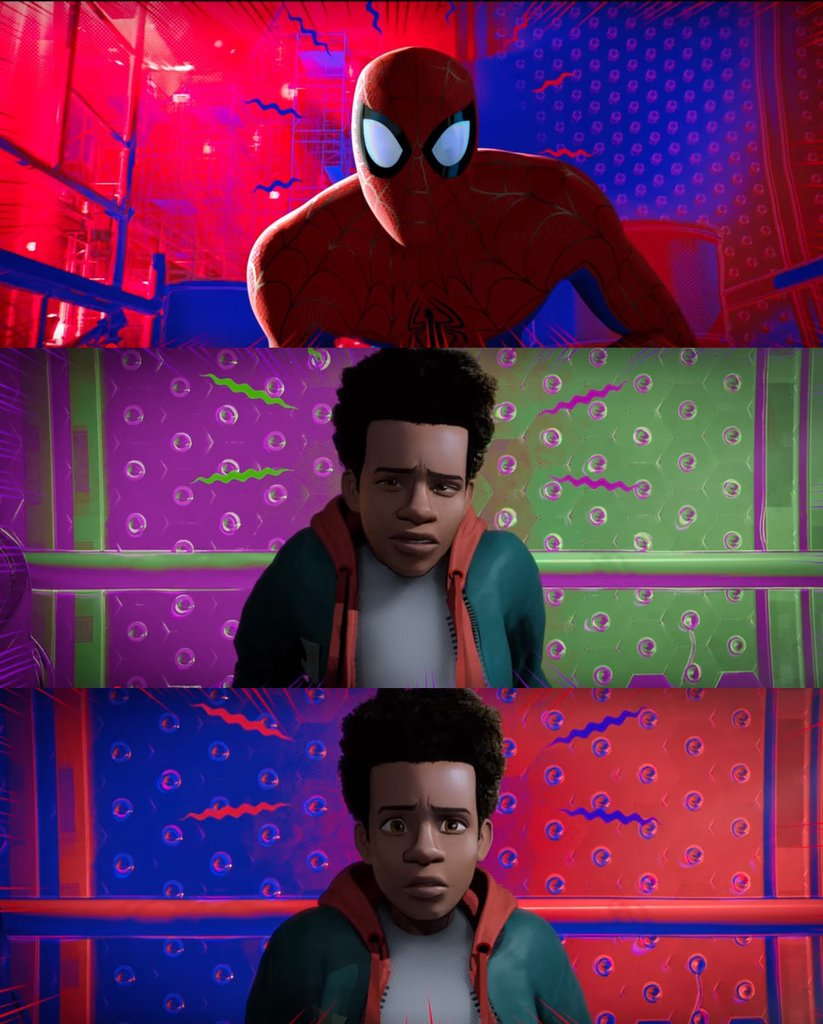
“I thought I was the only one. You’re like me.” This quote from Peter 1610, full of hope and excitement, underscores how much Spider-People are connected by shared experience. Miles begins his journey as Spider-Man differently. He honors the legacy of his world’s Peter Parker. This proves that being Spider-Man isn’t about pursuing a set destiny, it’s about making choices.
Miguel’s Logic Doesn’t Add Up
Like any Ace Attorney game – you cannot make an argument without providing evidence!
So let’s dig deeper.
When Miles saves Inspector Singh on Earth-50101 after the confrontation with The Spot, Miguel claims that this disrupts a critical canon event where a police captain must die. But this isn’t true. The Spot is the one responsible for the black hole threatening Pavitr’s universe.

I remember coming across this post on Twitter. It opened my eyes to new possibilities that I never even considered. Earth-1610 Peter warned Green Goblin that the Collider would open a black hole under Brooklyn. During the third act, we saw as the Collider was on, it caused New York to start glitching. which not only created The Spot but made him stronger.


A conversation I had with my brother about the collider was interesting; as if a collider was in Miles’ universe, in Pavitr’s universe, then what if there is a collider in every universe? That means it has to be the pattern, which could play a larger role in the final movie.
During the train sequence, Miguel goes after Miles for events that weren’t in his control. For example, if his Earth’s Peter Parker hadn’t died, the multiverse would be together.
Essentially, Miguel blames Miles for things that only happened because the multiverse became unstable after Kingpin’s collider was used.
But this logic doesn’t add up when you think about Gwen. During her introduction, Gwen explains that she was sent to Earth-1610 a week before the movie began. Gwen would never have returned if Peter had successfully shut down the collider in Into the Spider-Verse. Her universe would have been left without a Spider-Woman, risking its collapse. Moreover, Gwen managed in Earth-1610 for a week. She didn’t glitch out much during her time there. This contradicts Miguel’s claim that disrupting “canon” should have immediate destructive consequences.
In fact, if Miles hadn’t become Spider-Man, everything would have fallen apart in both his universe and the multiverse as a whole. The Spider-Gang (Spider-Noir, Peni Parker, Gwen, Peter B., etc.) and even his own universe owe their survival to Miles stepping up and rewriting his destiny. By becoming Spider-Man, Miles saved not only his world but also the lives of his fellow Spider-People. It’s as if the universe adjusted itself to restore balance after the chaos Kingpin’s collider had caused.
This is echoed in Miguel’s insistence. He claims that Miles was never meant to be Spider-Man. According to him, Miles was bitten by the spider from Earth-42, which was displaced by The Spot. But none of these elements were ever within Miles’ control. He didn’t orchestrate the spider bite. It was something that simply happened to him. Many things like this occur in the Spider-Verse.
Even if we were to accept Miguel’s theory, how can it be true if altering canon events causes universal collapse? Why hasn’t Earth-1610 imploded yet? Why hasn’t Earth-42 imploded yet? If breaking the canon really led to such disastrous consequences, shouldn’t we have already seen the collapse of Earth-1610 when Spider-Noir, Peni Parker, and Spider-Ham spent time there in the first movie? The multiverse didn’t unravel because of them, nor because of Gwen being in Miles’ world for so long. Miguel’s strict adherence to this concept doesn’t hold up when examined closely.
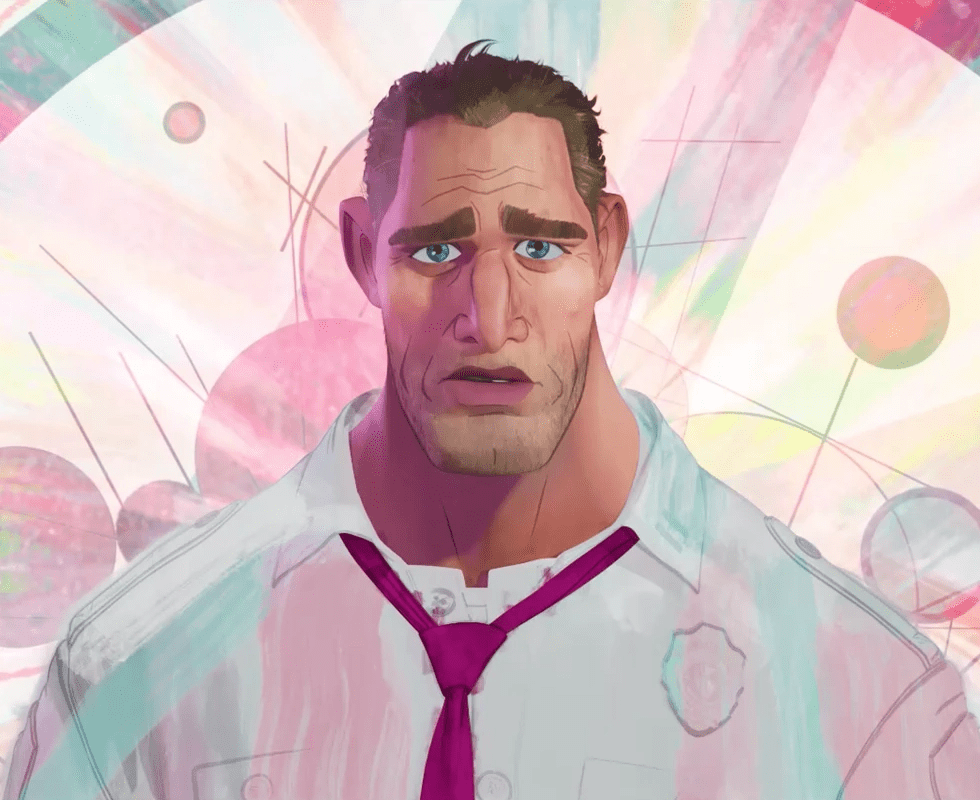
My final piece of evidence in the third act of the movie, Gwen realizes Miguel is wrong about canon events. Her father quits the force, disrupting the captain close to Spider-Man’s death canon event. Her universe remains fine and doesn’t explode; it’s just fine.
This moment is pivotal because it shows that Miguel himself doesn’t fully understand canon events; his interpretation is built on the foundation of fear and guilt. Canon events are not set in stone.
This hits Gwen hard. She turns her back on the Spider-Society and creates her own band. Her goal is to help and save Miles. Being Spider-Man isn’t about following canon, it’s about choosing to do what is right, even if it defies the odds.
Conclusion
Stan Lee once said that anyone can wear the mask. And that’s what makes Miles Morales so special. His unconditional love for his parents is not a weakness; it is his greatest strength, propelling him to move forward despite all odds.
Miles shows us that being Spider-Man isn’t about following some predestined tragic path, it’s about making the hard choices, defying expectations, and always fighting for the people you love.
Miles represents a new kind of Spider-Man, one who refuses to be bound by the limitations others impose, one who insists that he can do both. In the end, Miguel’s insistence on canon is a reflection of his fear and guilt, but Miles reminds us that being Spider-Man means always striving to do what’s right, even if it seems impossible. And maybe, just maybe, writing your own story instead of sticking to the script is what being Spider-Man is all about.
 Whimsy Express
Leave a comment